


.jpg)

.jpg)





.webp)





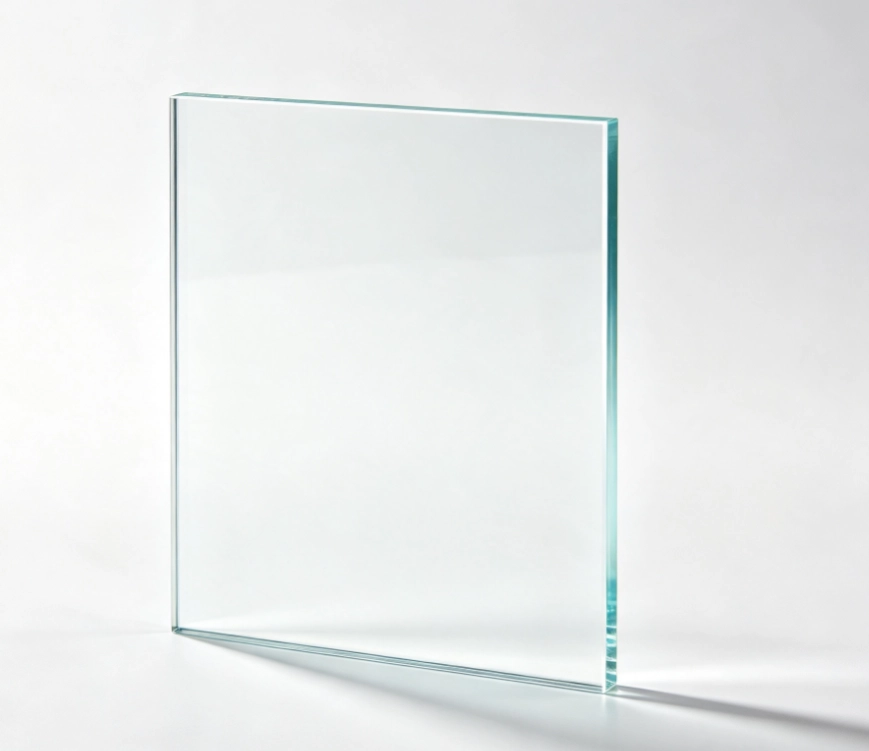
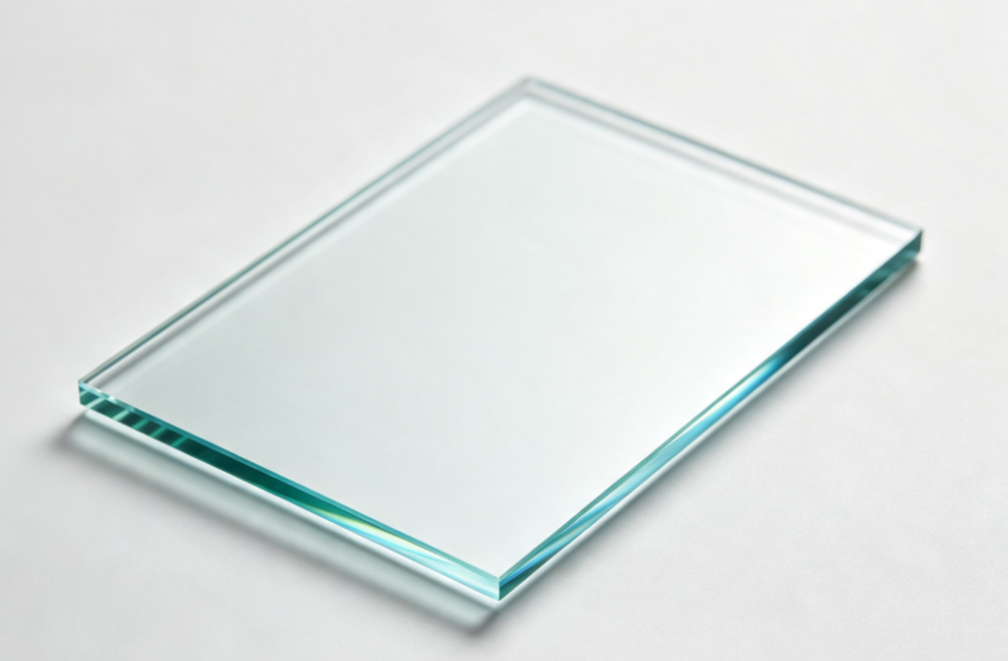
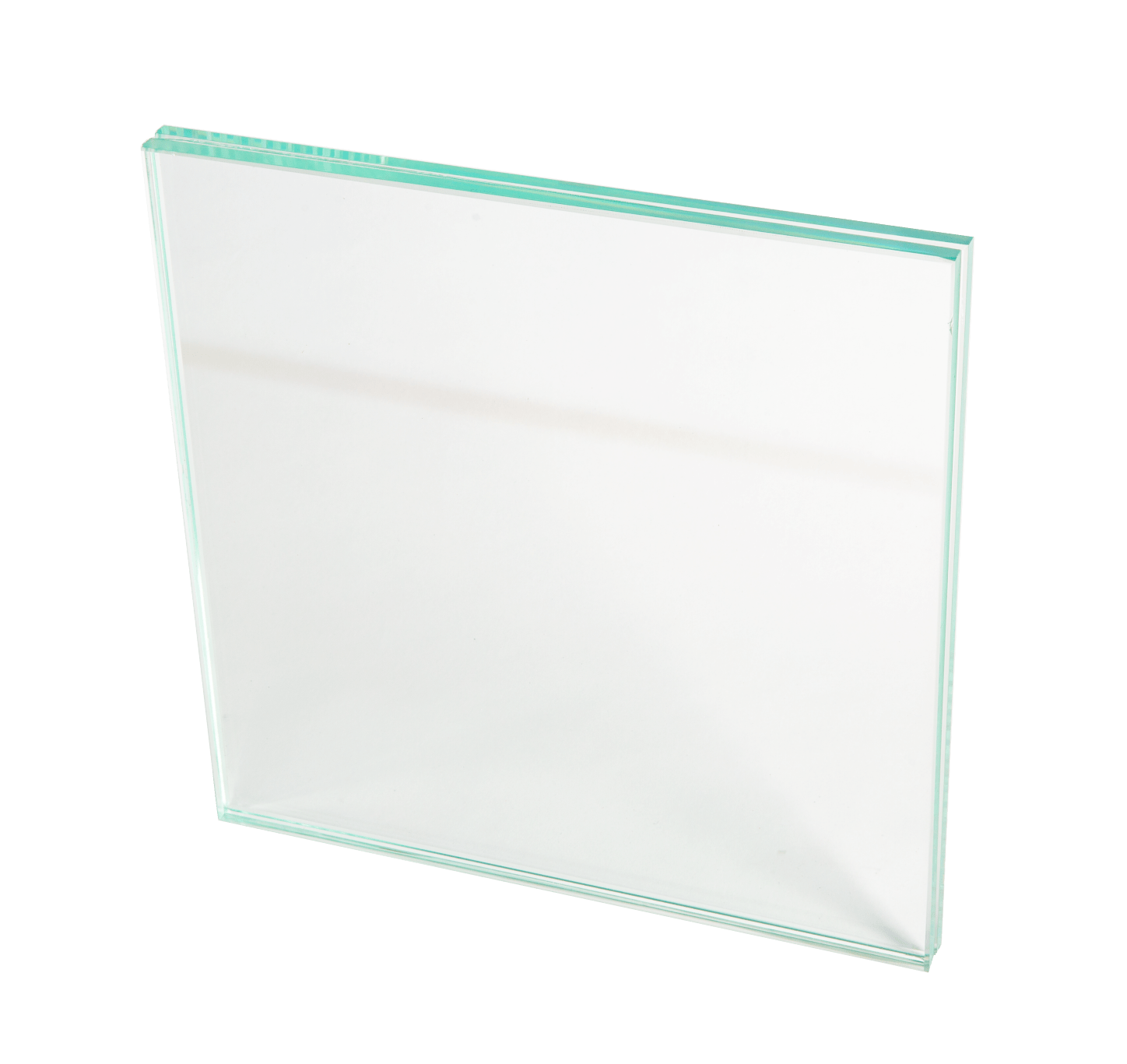
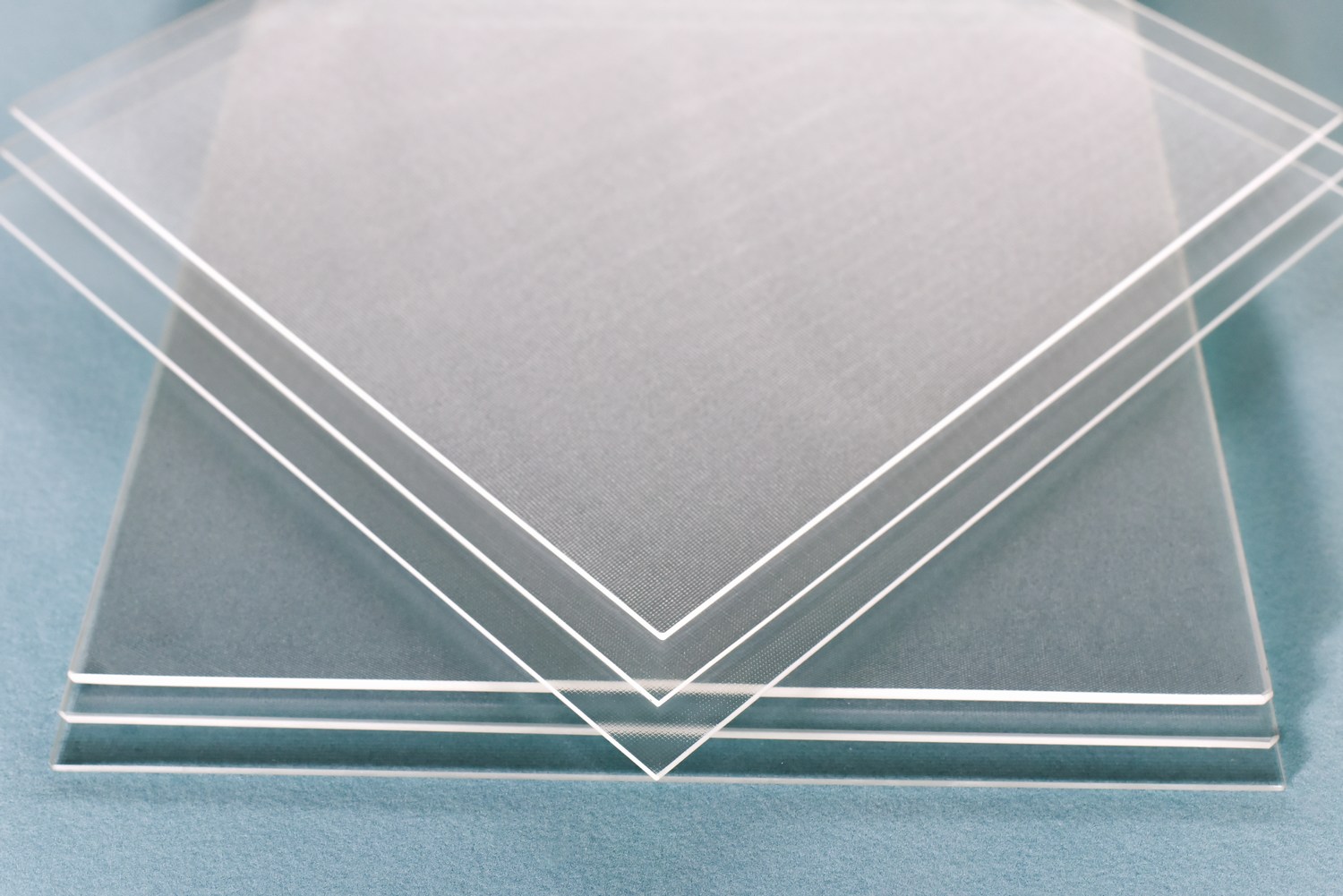
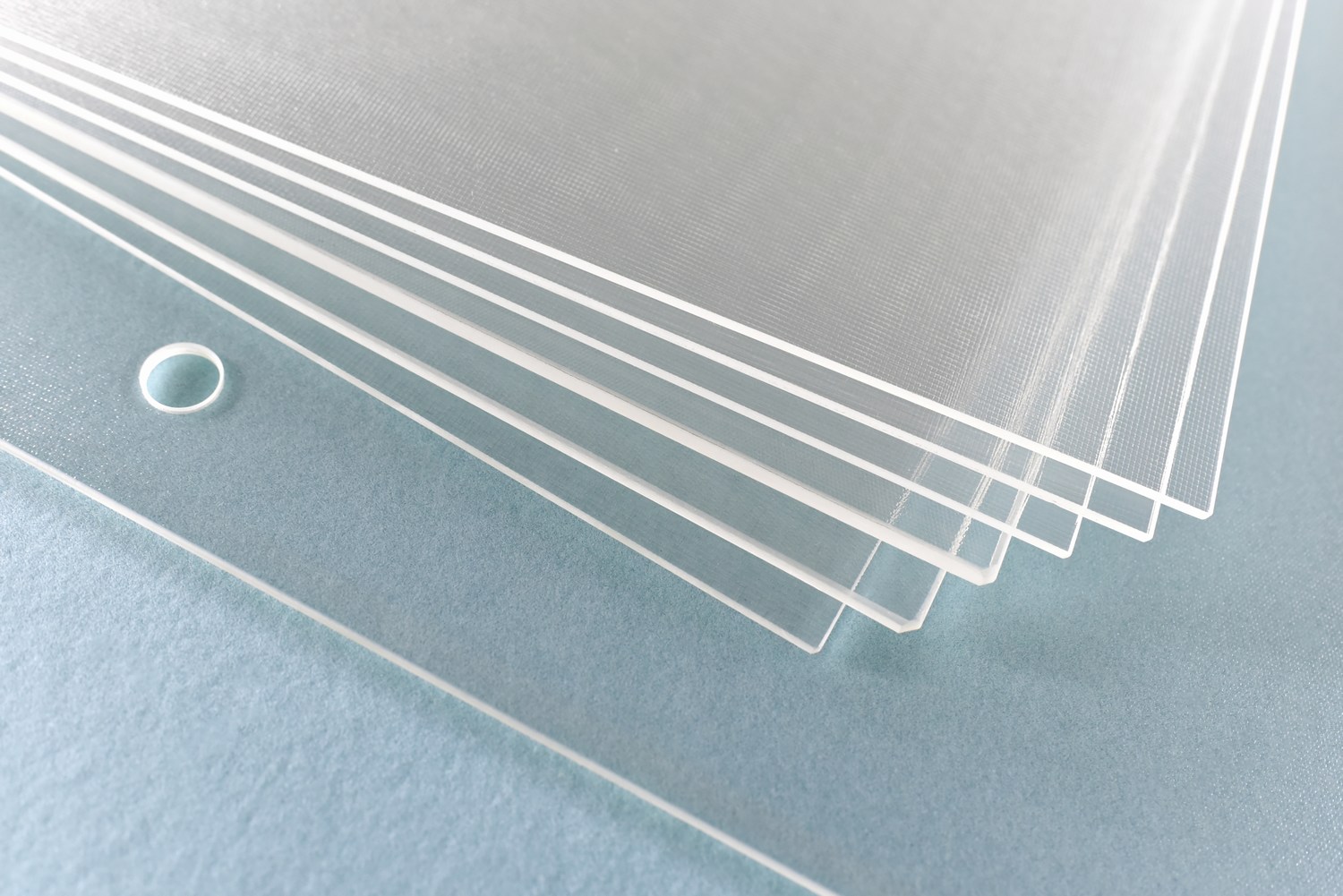
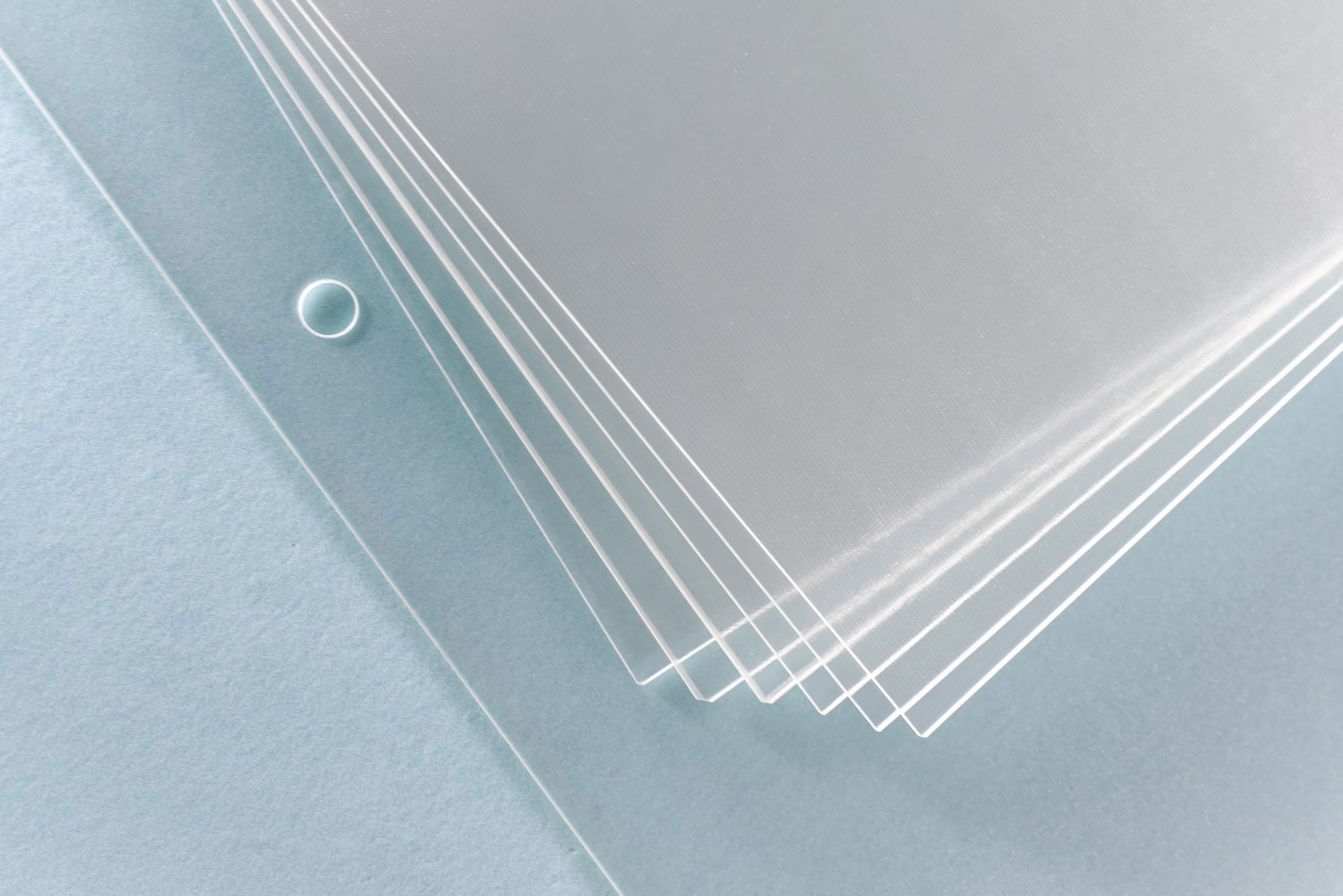
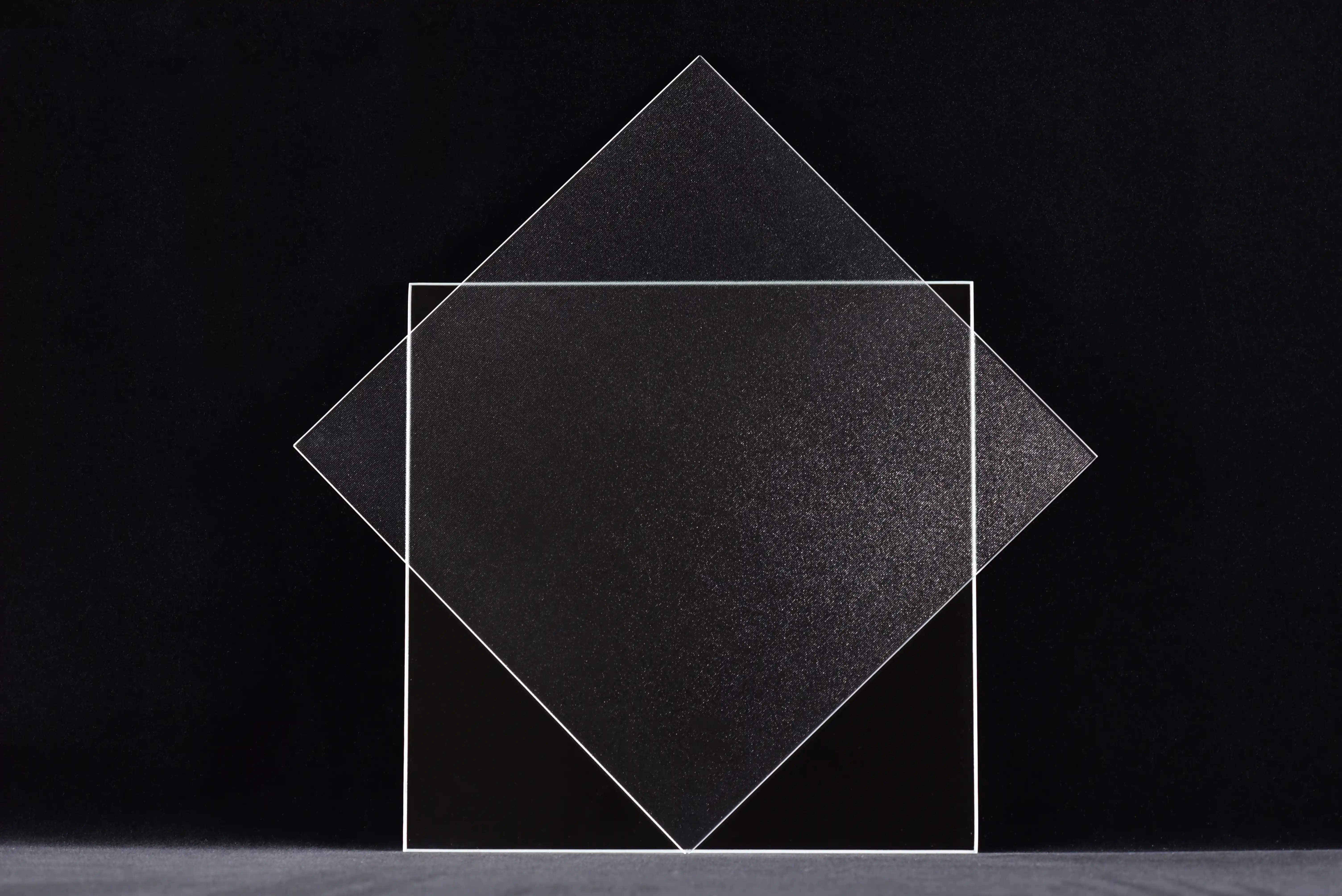
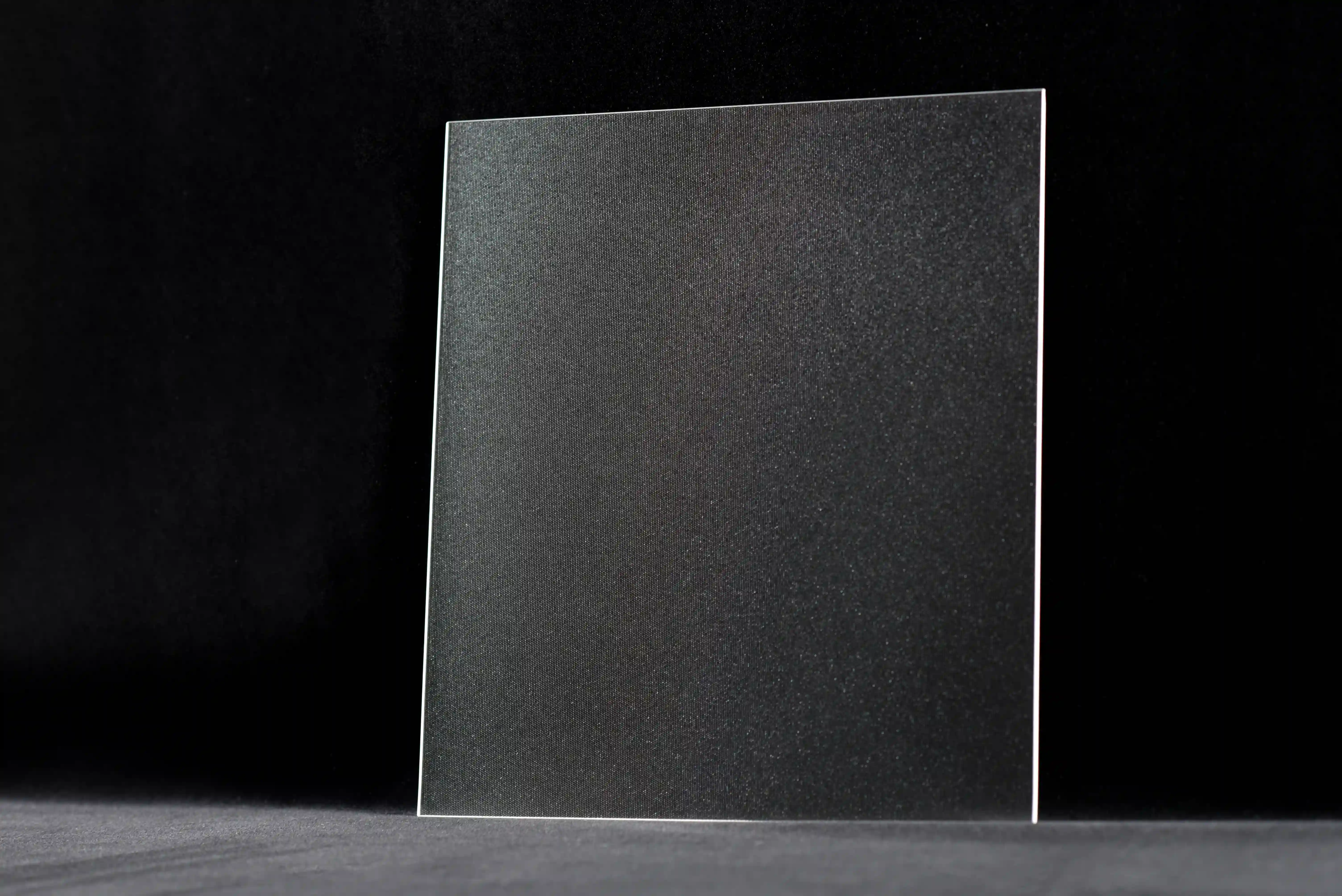
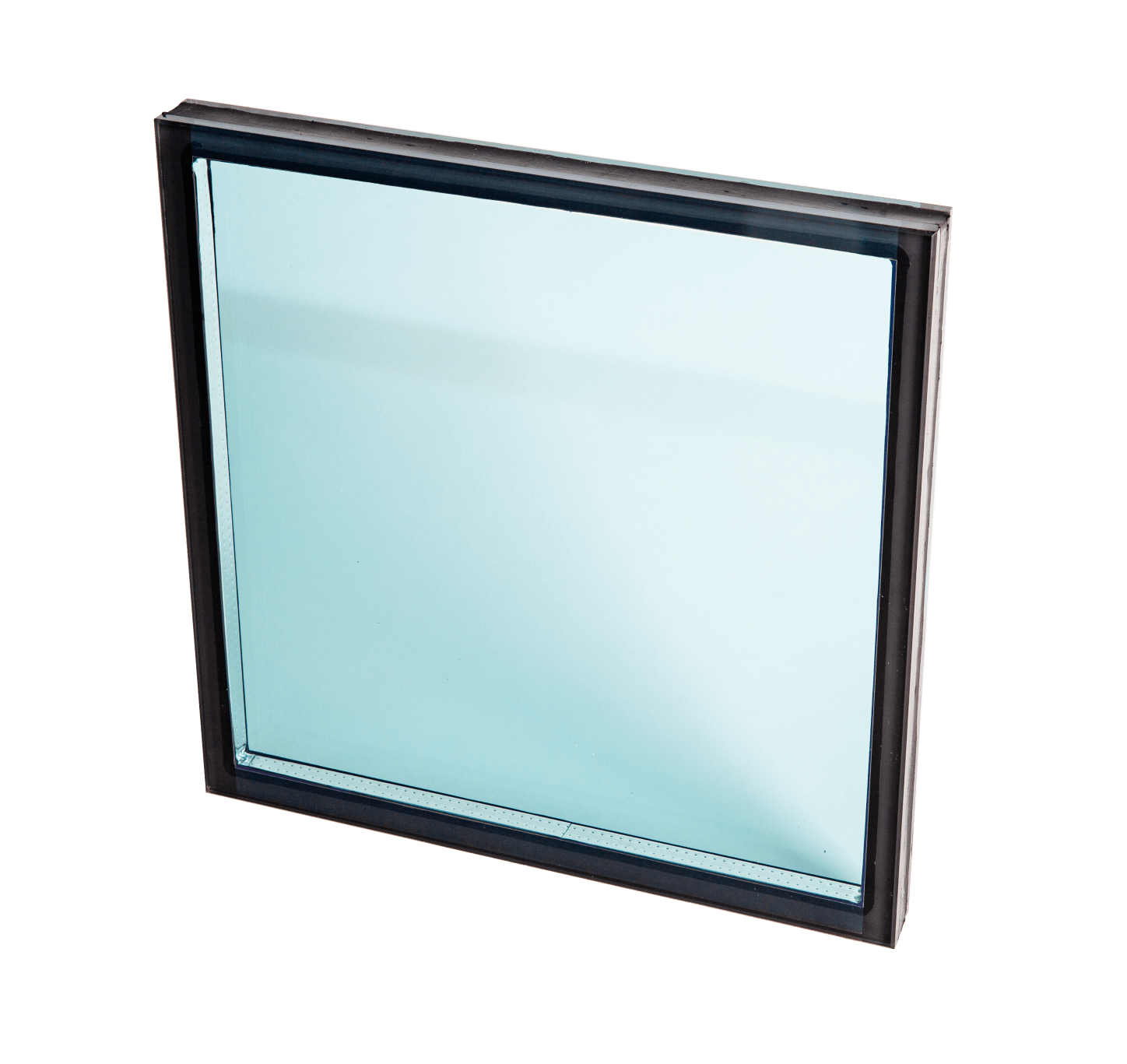
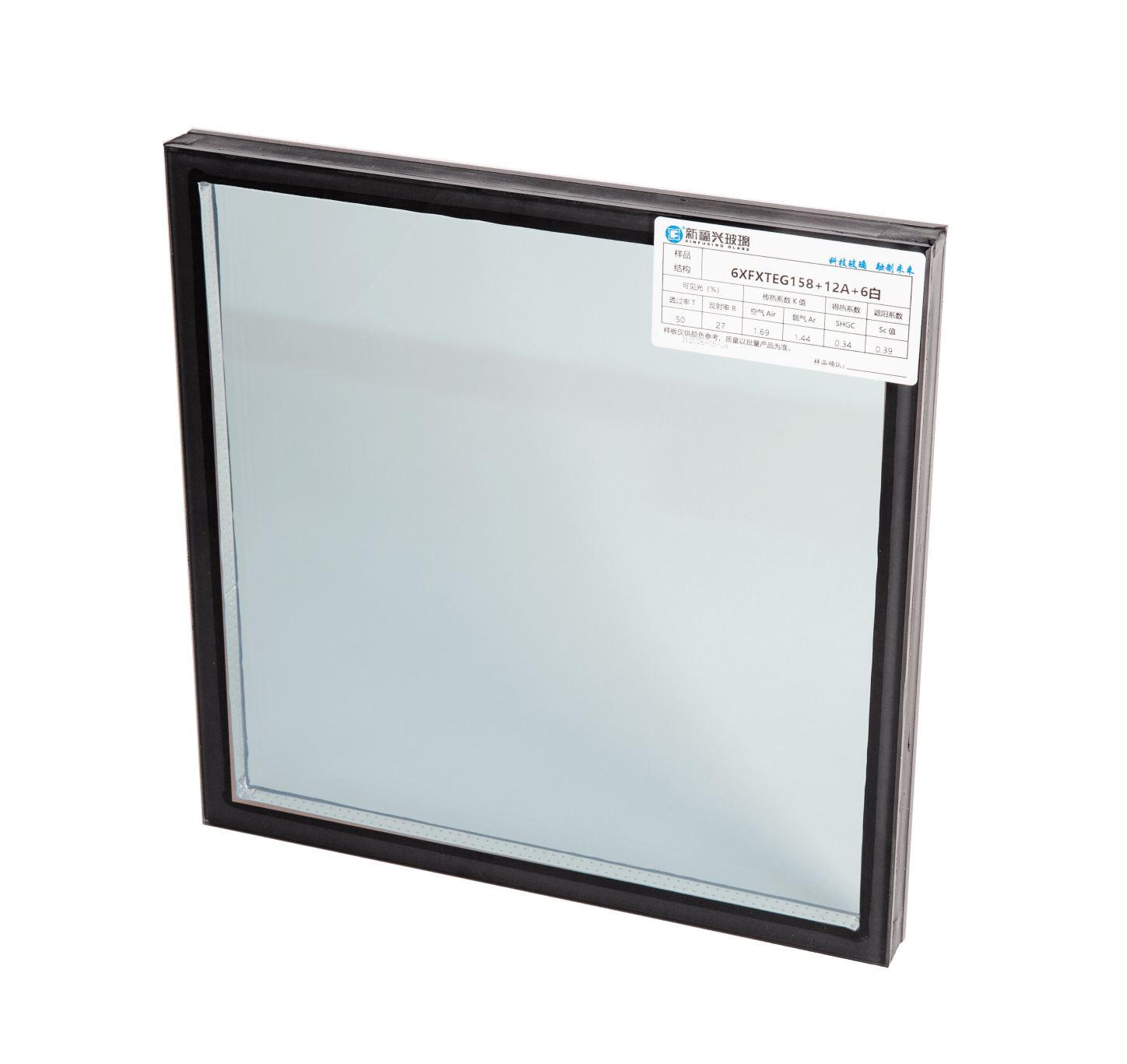
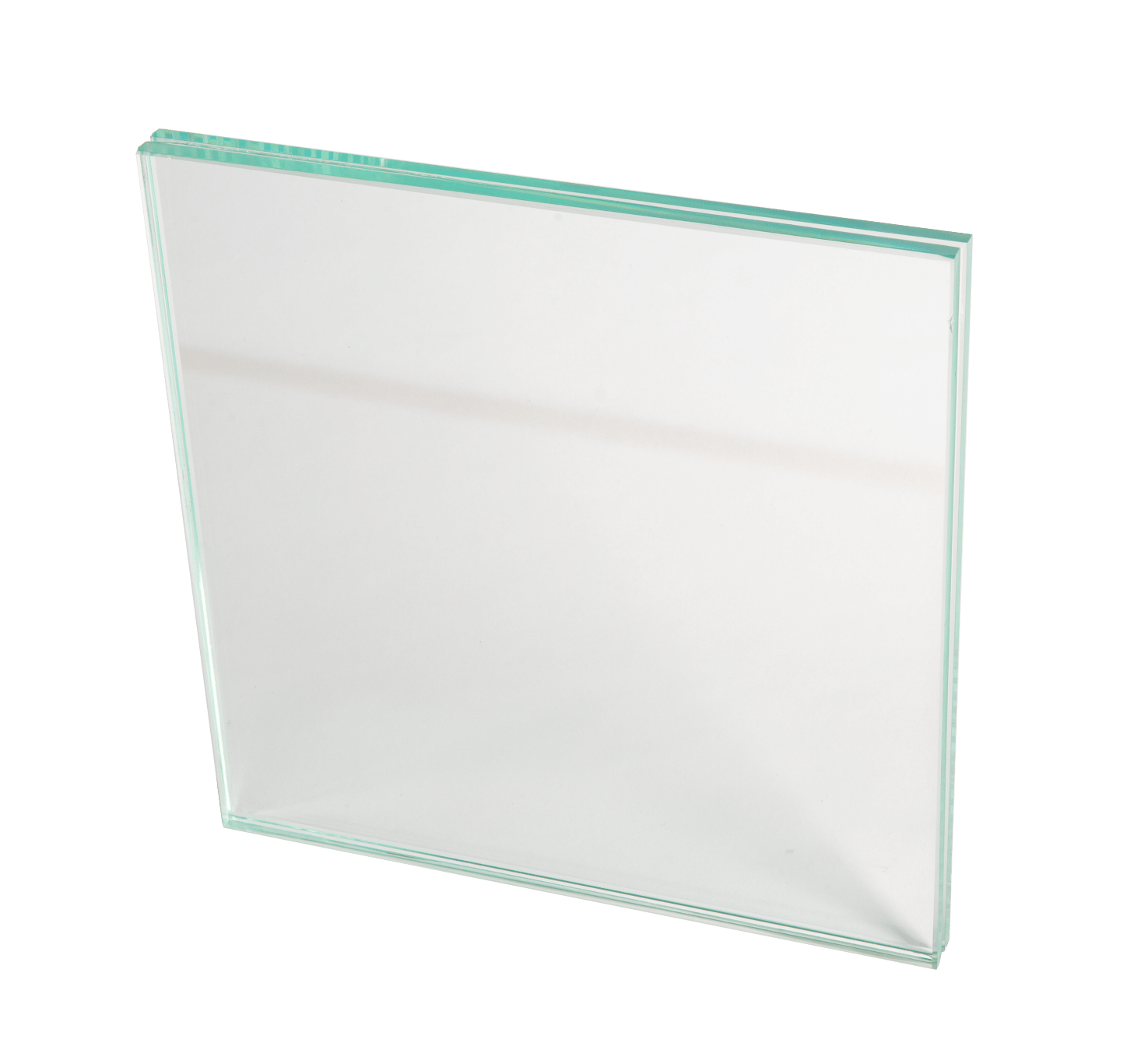
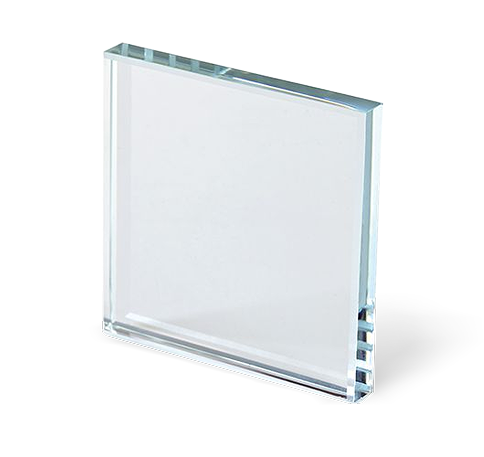
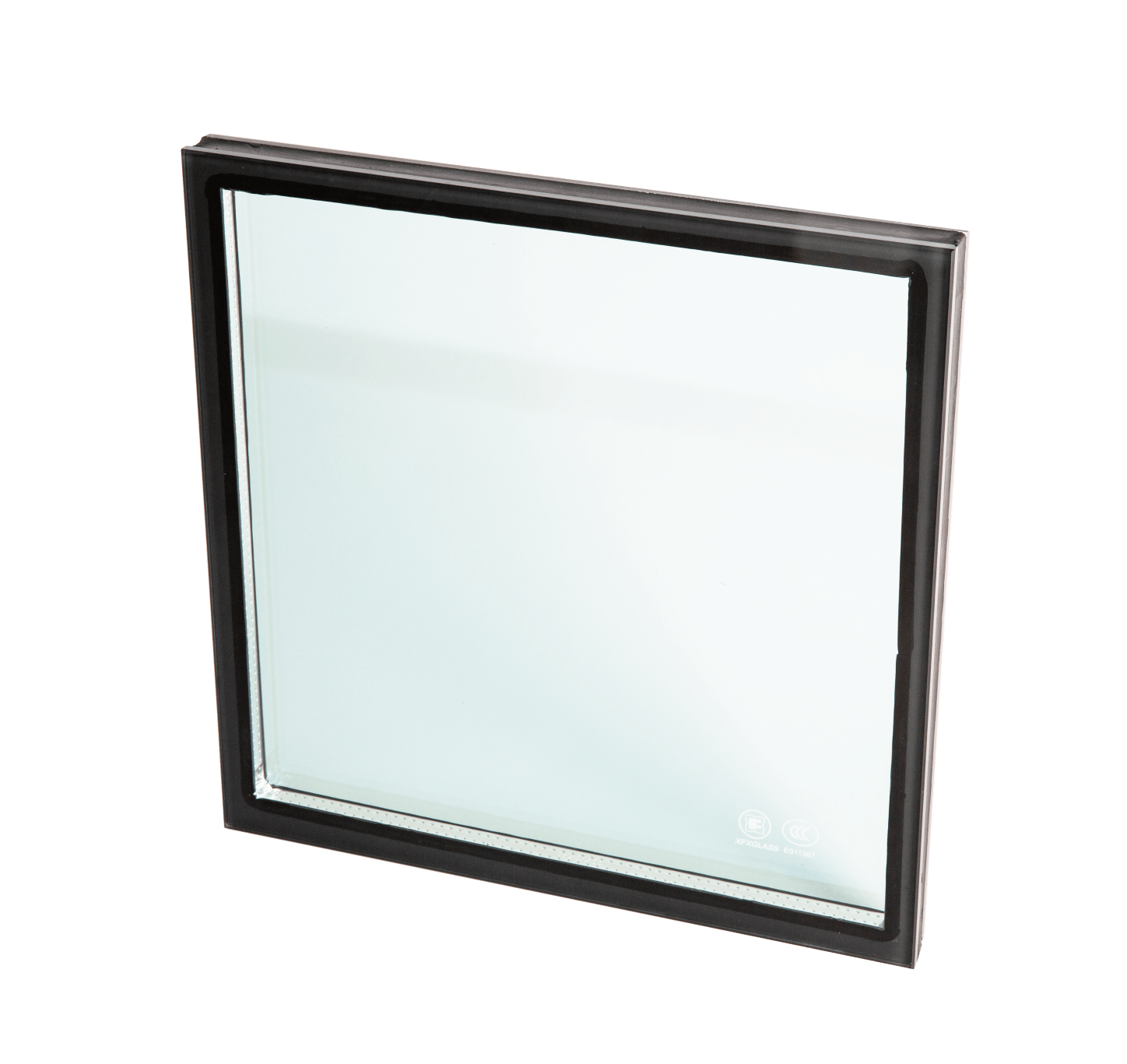
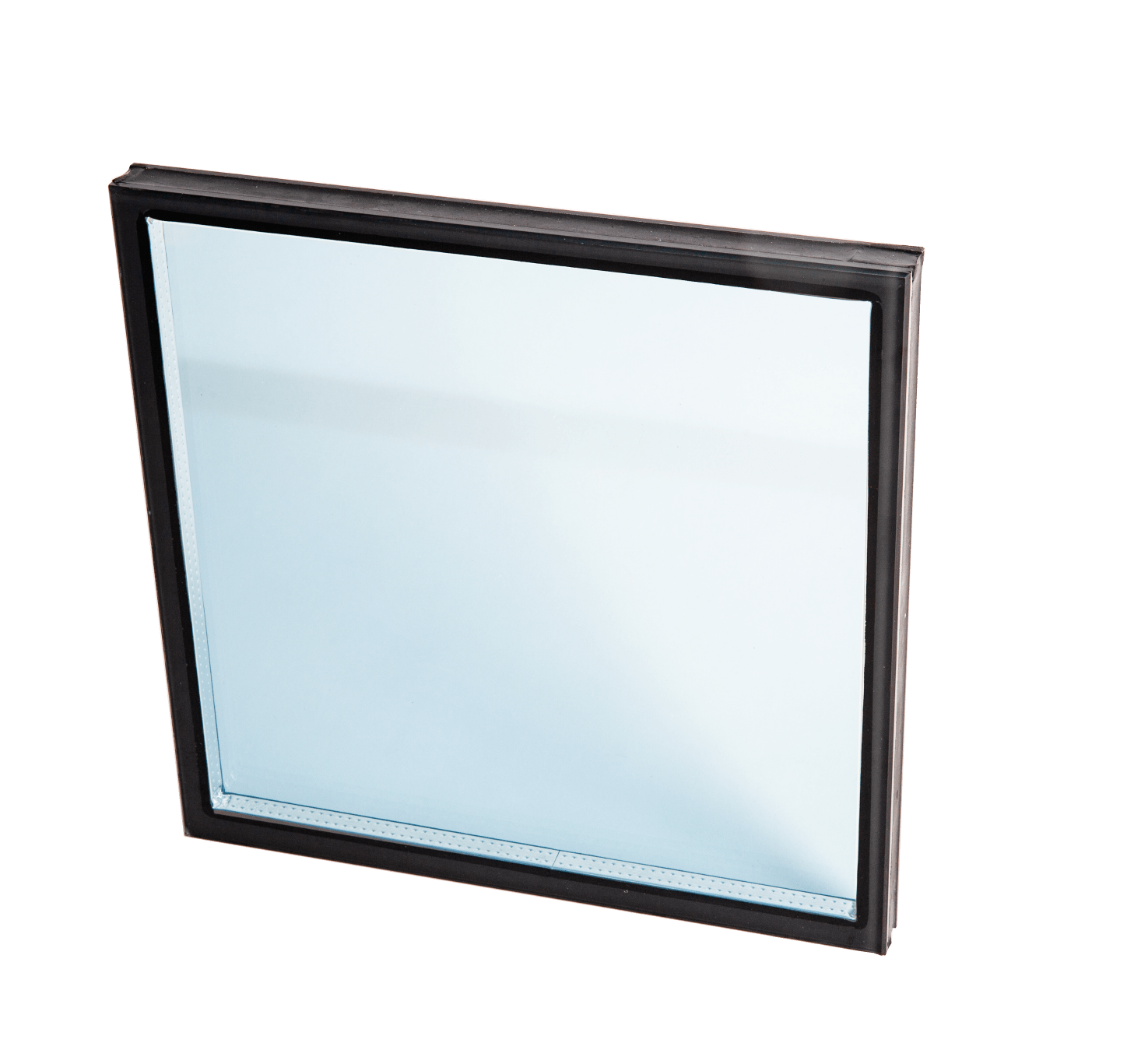
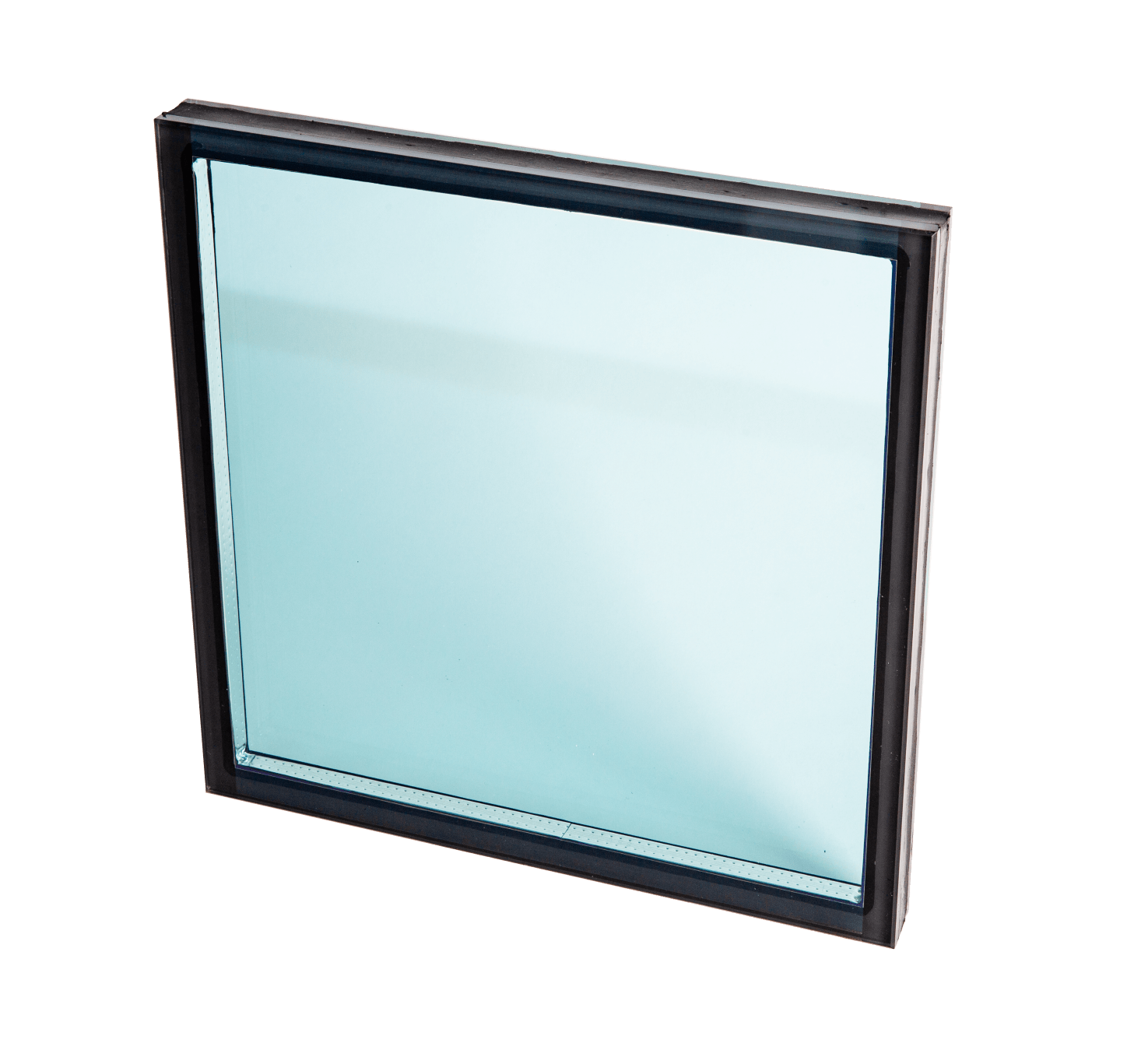
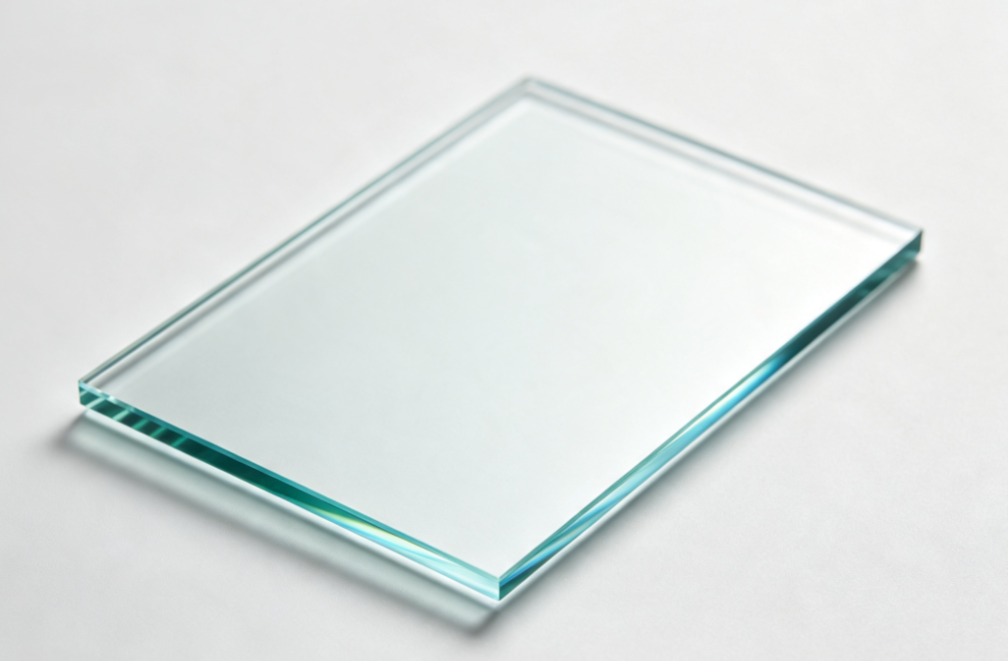
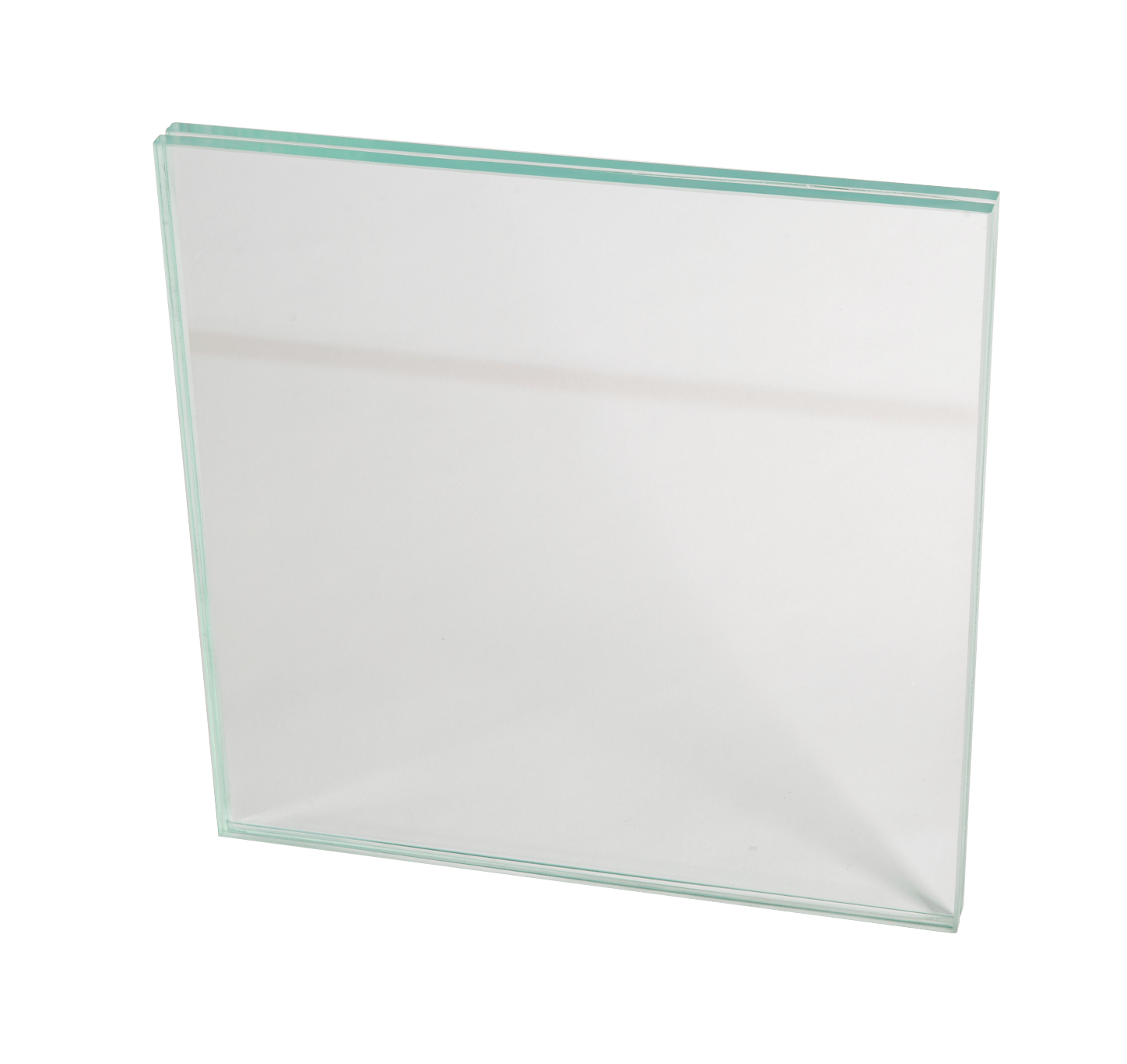
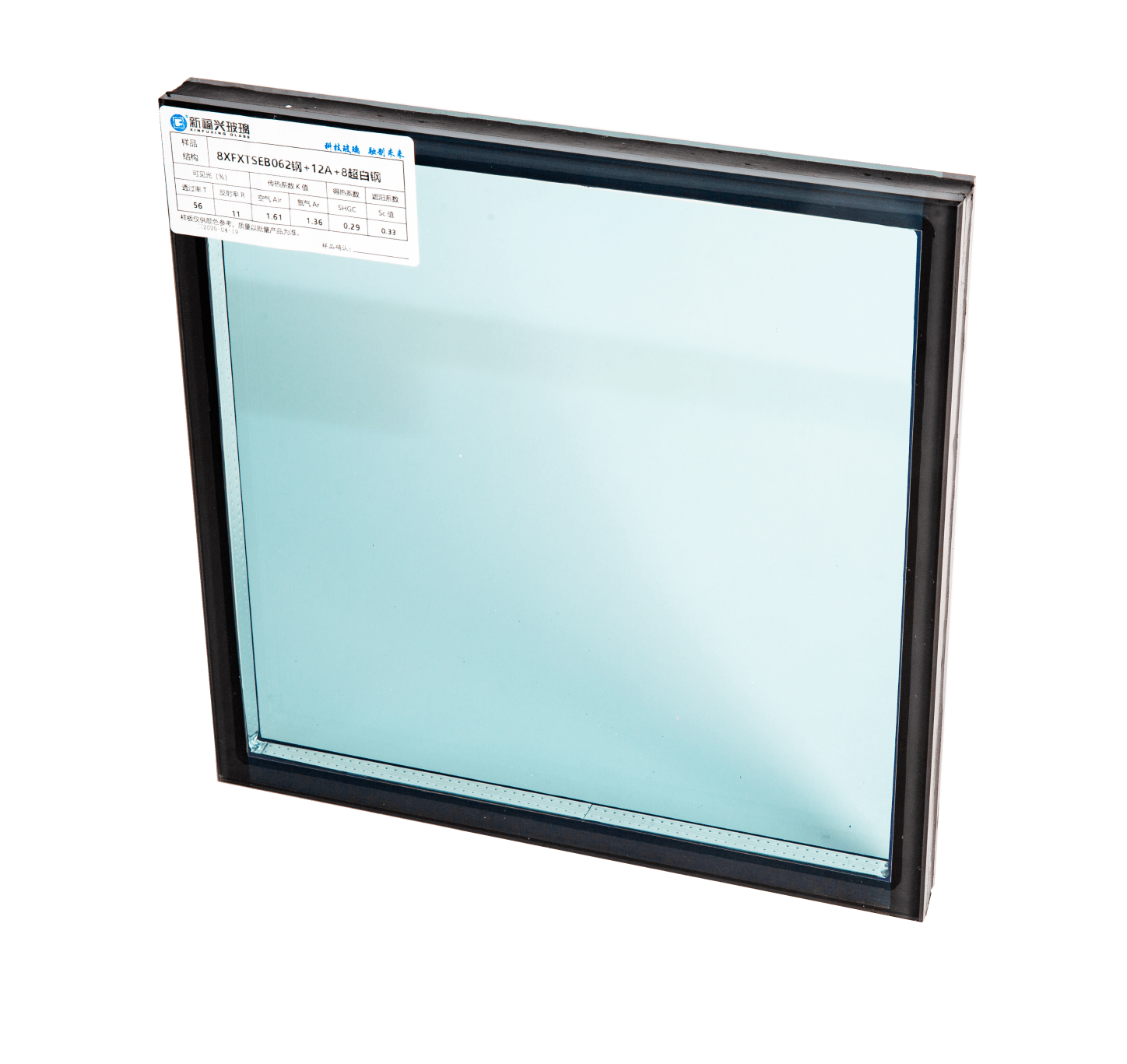
2.5 mm Ultra-Clear Patterned Double-Coated Fully Tempered Glass
| Parameter | Technical Specifications | Notes |
| Glass Material | Ultra-Clear Low-Iron Patterned Soda-Lime Silicate Glass | Low iron content minimizes light absorption |
| Standard Thickness | 1.6mm、2.0mm 2.5mm、3.2mm | Typical thicknesses are 1.6 mm, 2.0 mm, and 2.5 mm for dual-glass PV modules, and 3.2 mm for single-glass PV modules |
| Standard Dimensions | Compatible with 1756 / 2272 / 2376 / 2459 module formats (custom sizes available) | Compatible with all mainstream PV module formats |
| Glass Pattern | Single-Sided Patterned Glass (Diamond / Fine Pattern) | The matte side is laminated with the encapsulant, while the glossy side serves as the light-incident surface |
| Coating Process | Single-Sided, Double-Layer Anti-Reflective (AR) Coating | Uniform coating with excellent adhesion and outstanding aging resistance |
| Iron Content | ≤0.012% | Ultra-low iron content ensures high light transmittance |
| Surface Roughness (Textured Side) | 0.3-1.2μm | Optimized for EVA/POE encapsulant lamination, enhancing bond strength |
The entire R&D, manufacturing, and testing process for our photovoltaic glass is conducted in strict accordance with the following standards. All technical specifications and performance parameters are fully traceable and verifiable:
• GB 15763.2-2005 Safety Glazing Materials in Building — Part 2: Tempered Glass
(Defines the fundamental mechanical and safety requirements for photovoltaic tempered glass, including mechanical strength and fragmentation characteristics.)
• GB/T 30984-2014 Glass for Solar Photovoltaic Applications
(Specifies the fundamental requirements for photovoltaic glass, including product classification, technical requirements, and test methods.)
• GB/T 30984.1-2015 Glass for Solar Applications — Part 1: Ultra-Clear Patterned Glass
(Specifies the optical properties, appearance quality, and chemical composition requirements for ultra-clear low-iron patterned glass.)
• GB/T 2680-2021 Building Glass — Determination of Visible Light Transmittance, Direct Solar Transmittance, Total Solar Energy Transmittance, Ultraviolet Transmittance, and Related Glazing Factors
(Specifies standardized test methods for evaluating optical properties, including visible light transmittance, reflectance, and related glazing parameters.)
• GB/T 41314-2022 Coated Glass for Building Photovoltaic Modules
(Specifies the performance requirements for coated glass used in building photovoltaic modules, including optical properties, weather resistance, and coating adhesion.)
• GB/T 6739-2022 Paints and Varnishes — Determination of Film Hardness by Pencil Test
(Specifies the standard test method for evaluating the surface hardness of coating films using the pencil hardness method.)
• T/CPIA 0028.1—2024 Photovoltaic Module Glass — Part 1: Anti-Reflective Coated Front Glass
(Supersedes the 2021 edition and specifies the key technical requirements for anti-reflective (AR) coated front glass, aligning with current PV module manufacturers' acceptance requirements.)
• IEC 61701 Photovoltaic (PV) Modules — Salt Mist Corrosion Testing
(Specifies the international test method for evaluating the salt mist corrosion resistance of photovoltaic modules, particularly for coastal and offshore applications.)